

The health insurance funds calculated millions spent on reimbursable medicines last year
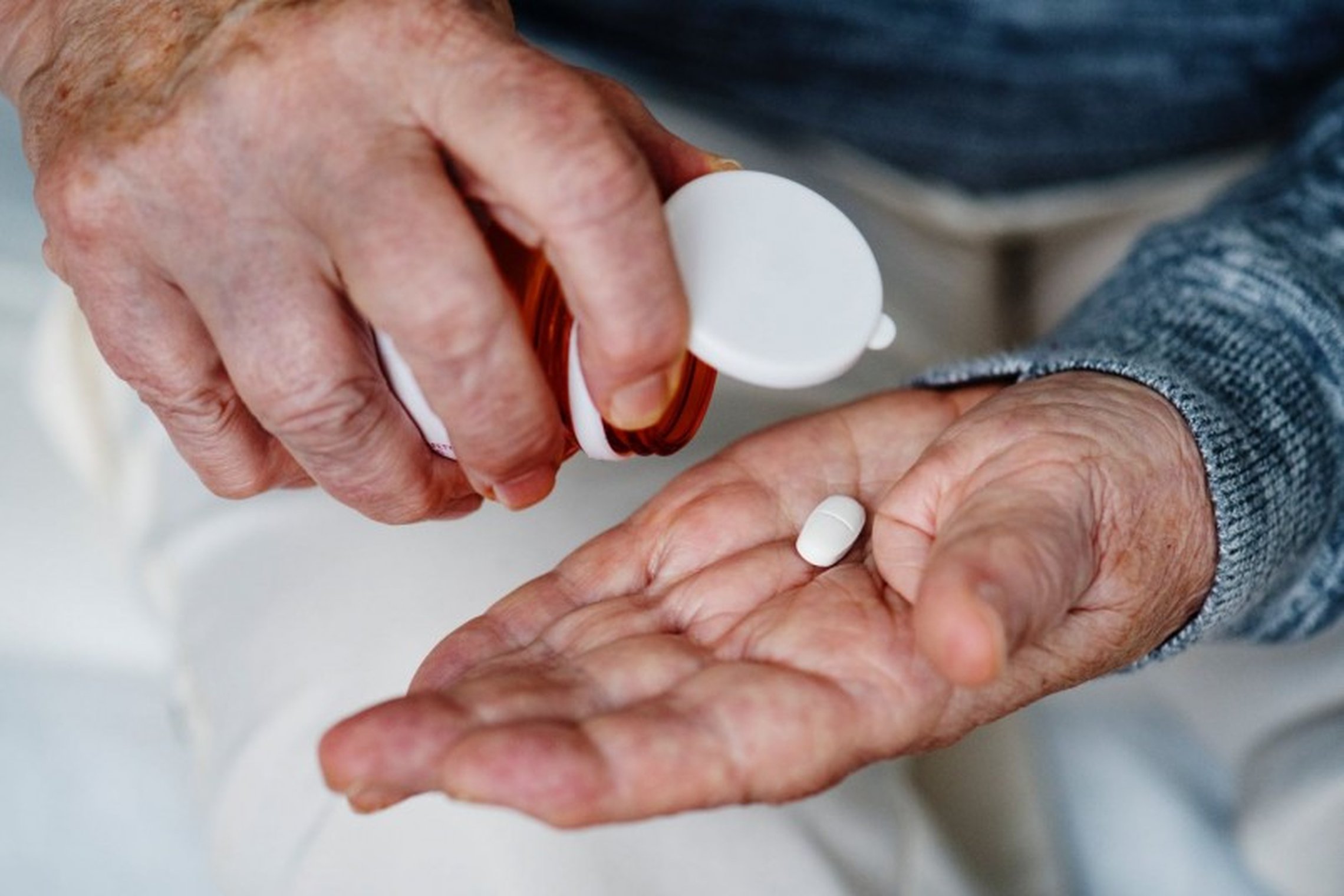
According to the data of the National Health Insurance Fund, almost EUR 573 million was spent on reimbursable medicines and medical aids last year. Most of this amount – EUR 526 million – was reimbursed from the Compulsory Health Insurance Fund, while EUR 26 million of the patient’s surcharges were covered by the state budget, and the rest was paid by the patients themselves when purchasing medicines.
The largest amount of money was spent on anti-tumour medications
Last year, about 1.24 million patients in Lithuania, i.e. 43.5% of the total Lithuanian population, used reimbursable medicines and medical aids (MAs). Population over 65 years old accounted for about 43% of the total population using reimbursed medicines and MAs.
As the consumption of reimbursable medicines and MAs increases each year, so does the cost of these medicines. Last year, Lithuanian pharmacies spent almost EUR 76 million more on them than in 2022.
“Last year, the largest share of CHIF reimbursement was for anti-tumour medications. Spending on them exceeded EUR 212 million, that is EUR 19 million more than the previous year. Cardiological medicines came in the second place by reaching EUR 72 million and were three times less than oncology drugs,” Lina Škiudaitė, Advisor of Pharmaceuticals Reimbursement Division of the NHIF, notices.
Another EUR 64.5 million from the CHIF was needed last year to reimburse circulatory medicines, EUR 39 million for anti-infective medications and more than EUR 37 million for gastrointestinal and metabolic medications. In addition, last year, the CHIF spent EUR 10.5 million more than the year before on the reimbursement of MAs.
The average annual cost to the CHIF of reimbursing medicines and MAs per resident was estimated to be EUR 184 last year, almost EUR 21 more than in 2022.
What helps patients to save money?
“For the fourth year in a row, the most vulnerable groups – patients aged 75 and over, low-income people with disabilities and pensioners – have access to reimbursed medicines and MAs without paying a patient’s surcharge. Last year, the number of such people amounted to almost 386,000 and the state budget spent almost EUR 24 million to cover patient’s surcharges. Last year, the number of such people amounted to almost 386,000 and the state budget spent almost EUR 24 million to cover the surcharges,” L. Škiudaitė says.
In addition, a new procedure came into force on 1 July last year, whereby the state budget covers medication surcharges for patients who have incurred high costs since the beginning of the year by paying surcharges for the cheapest medicines. Once they have accumulated a basket of surcharges, these patients do not have to pay the pharmacy surcharges for the cheapest medicines until the end of the year.
The analysis of the NHIF revealed that this measure helped to save EUR 2 million to 63 000 Lithuanian residents within six months of the last year.
Top ten
Analysis of the NHIF revealed 10 diseases for which the CHIF spent the most on medicines and MAs last year. The top five are diabetes mellitus, for which more than EUR 43 million was spent last year, hypertensive diseases – EUR 42.5 million, bronchial and pulmonary malignancies – more than EUR 33 million, atrial fibrillation and atrial flutter – almost EUR 29 million, chronic viral hepatitis C – EUR 24.6 million. Last year, more than EUR 24 million was needed to reimburse breast cancer patients for their medicines and MAs, more than EUR 23 million for malignant melanoma, EUR 17.4 million for multiple sclerosis, almost EUR 17 million for urinary incontinence, and EUR 16.5 million for patients with lymphocytic leukaemia patients.
103 manufacturers offered reimbursed medicines in Lithuania. The pharmaceutical companies that received the biggest shares from the CHIF budget were Novartis Europharm Ltd – EUR 50 million, Merck Sharp & Dohme – EUR 36.6 million, Roche Registration Ltd – more than EUR 34 million, Johnson & Johnson – EUR 28.4 million, Bristol-Myers Squibb – EUR 24.6 million, AstraZeneca AB – almost EUR 24 million, Byer Pharma AG – EUR 21 million, AbbVie Ltd – close to EUR 21 million, Novo Nordisk A/S – EUR 17.5 million, KRKA d.d. - over EUR 16 million.
The specialists of the health insurance funds have also compiled a top ten list of pharmacies that dispensed the largest number of medicines and MAs to patients reimbursed by the CHIF. That is: Eurovaistinė - EUR 119.6 million, Gintarinė vaistinė - EUR 107 million, Nemuno vaistinė - EUR 73 million, Apotheca vaistinė - more than EUR 55 million, BENU Vaistinė Lietuva - EUR 52.4 million, Norfos vaistinė - EUR 28.4 million, Esra pharmacy - EUR 25.7 million, Rovifarma vaistinė - EUR 20 million, Smėlynės vaistinė - EUR 5 million, Naujakiemio vaistinė - EUR 4.4 million.
For an analysis of the 2023 CHIF budget expenditure and patient surcharges for reimbursed medicines and MAs, see here.
(Piktochart photo)
The NHIF invites you:
- Read the most important news on Facebook: https://goo.gl/ML8SqJ
- See recent pictures on Instagram: https://goo.gl/tXvpXr
- Watch videos on Youtube: https://goo.gl/BPBep2
- Follow exclusive infographics and more in Flickr: https://goo.gl/Hsyhq4
- Follow us on LinkedIn: https://tinyurl.com/2sxfh66j
- Your questions are welcome by email [email protected] or phone +370 5 232 2222