

When you don’t have to pay for crystalline lens replacement
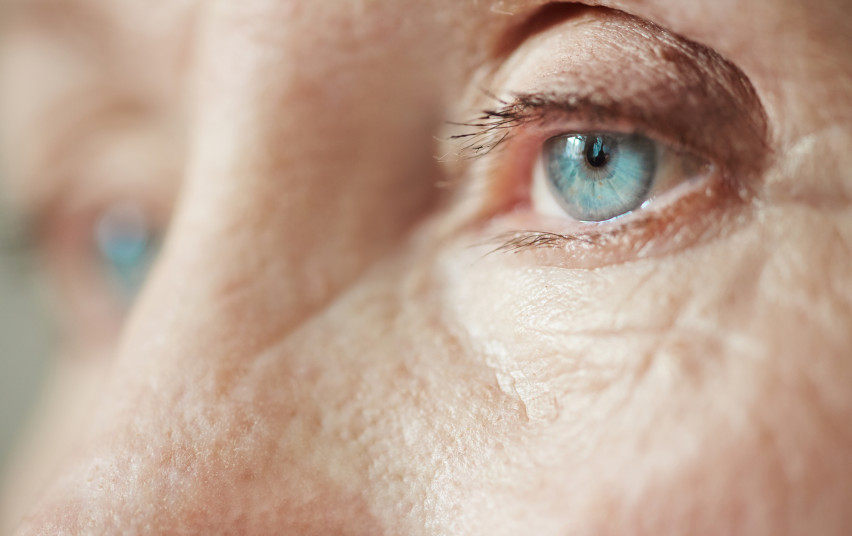
Around 100 000 people in Lithuania suffer from cataract each year, it is a clouding of the lens of the eye that causes weakening eyesight. The disease is common and relatively well-known especially for the elderly. Its effective treatment is a cataract surgery, which involves removing the cloudy lens in the eye and inserting a new artificial lens. These surgeries and the lens implanted during the surgery are covered by the Compulsory Health Insurance Fund (CHIF).
As with many other medical services paid for by the CHIF, the first thing to do, when vision is disordered, is visit your family doctor. He/she checks your vision and, if necessary, refers you to an ophthalmologist for a consultation. The ophthalmologist will carry out a thorough assessment of the condition of the eyes, prescribe the necessary tests and, if he/she finds that the lens of the eye needs to be replaced, he/she will refer the patient for a cataract operation.
“For crystalline lens replacement surgery, persons, insured with compulsory health insurance, can go to any public or private medical institution, that has concluded a contract with the health insurance funds, for a cataract surgery. The attending doctor must provide the patient with all the necessary information and offer the surgery free of charge, including a free high-quality lens. The treatment facility is paid a fixed basic price for the surgery by the health insurance fund. This price includes the cost of the lens, which is currently EUR 44.02. Thus, a patient who applies for surgery under this procedure does not have to pay for the surgery, the materials or medicines used during the surgery, or for the lens,” explains Jolita Klara Kedaitė, Head of the Control Division of the Vilnius Territorial Health Insurance Fund.
Patients often take the option of having a lens implanted in the treatment centre at a cost higher than that covered by the CHIF. The representative of the health insurance funds stresses that in such cases, insured patients still do not have to pay the full price of a chosen more expensive crystalline lens - they have to pay the difference between the price of a chosen lens and the price of a crystalline lens paid for by the CHIF at their own cost.
Importantly, when offering an insured patient a more expensive lens for the eye (as well as when asking for extra payment for other services), the healthcare institution must clearly inform him/her, in a signed statement, of the differences between a lens paid for by the CHIF and a more expensive lens (in terms of its advantages, price, etc.), and must make sure that he/she confirms his/her choice with his/her signature in the medical documents.
Patients who purchase their lenses by other means are not reimbursed. A cataract surgery and a crystalline lens implanted during the procedure are also subject to a fee if a person is not covered by compulsory health insurance, does not have a referral for this service, or chooses to receive it in a medical institution that does not have a contract with the health insurance fund for a cataract surgery.
If insured people are seeking cataract surgery in accordance with the procedure, but still have questions about why a treatment centre is charging extra for the lens or the surgery, it is important to ask an attending doctor straight away. If you are unable to find out, you should write to the management of the institution. If you are not satisfied with their explanation, you can contact the health insurance fund with the reply you have received from the hospital.
Currently, 15 public and private medical institutions in various cities across the country perform cataract surgery paid for by the CHIF. Last year, nearly 29 000 cataract operations were paid for by the health insurance funds. This required EUR 15 million from the CHIF.
(Freepik photo)
The NHIF invites you:
- Read the most important news on Facebook: https://goo.gl/ML8SqJ
- See recent pictures on Instagram: https://goo.gl/tXvpXr
- Watch comprehensive and funny videos on Youtube: https://goo.gl/BPBep2
- Follow exclusive infographics and more in Flickr: https://goo.gl/Hsyhq4
- Follow us on LinkedIn: https://tinyurl.com/2sxfh66j
- Your questions are welcome by email [email protected] or phone +370 5 232 2222