

Thousands of boys received human papillomavirus (HPV) vaccination
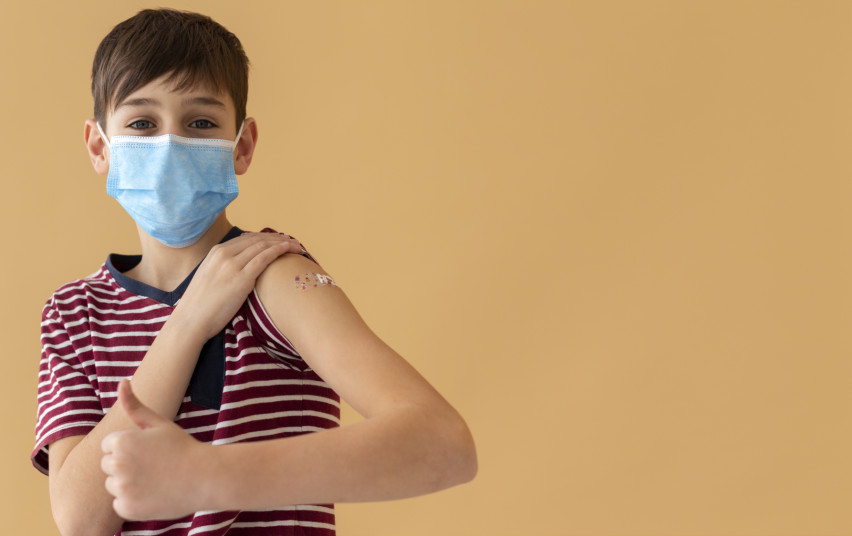
Since 2016, only girls aged 11 years old have been vaccinated against human papillomavirus according to the Preventive Vaccination Schedule for Children of the Republic of Lithuania. However, as of February this year, boys of the same age can also receive this vaccine, paid for by the Compulsory Health Insurance Fund. In the first three months of the vaccination period, 2,600 boys were vaccinated against this virus.
Human papillomavirus (HPV) is the world’s most common sexually transmitted infection through direct contact with an infected person. Most cases of HPV infection tend to resolve naturally within a couple of years without any treatment, but sometimes HPV stays in the body and causes chronic inflammation, which eventually leads to the development of pathological tissue formations. Some types of HPV can cause cancer of the anus and external genitalia in men and women.
Almost all cases of cervical cancer have been found to be caused by HPV infection. In Europe, it is estimated that around 90% of anal cancers, 15% of female external genital cancers, 70% of vaginal cancers and 30-40% of penile cancers are caused by HPV infection.
“The human papillomavirus is not gender-specific, so the vaccination of all children against this infection is already in place in many countries around the world. Countries with universal vaccination programmes against this virus have shown lower rates of cervical cancer and some other oncological diseases. Although vaccines are not curative, they are extremely beneficial in terms of prevention, as not only do they protect against initial infection, but also against re-infection and relapse,” says Lina Reinartienė, Head of the Centrally Procured Pharmaceuticals Division of the National Health Insurance Fund (NHIF) under the Ministry of Health.
The World Health Organisation recommends that at least 90% of children should be vaccinated against vaccine-preventable infectious diseases. This is essential to ensure that sufficient collective immunity can be built up to control the disease in society. Although the HPV vaccine has been given to girls in Lithuania for eight years now, sufficient vaccination coverage has not yet been achieved.
According to the National Public Health Centre, 65% of girls aged 11-12 years old were vaccinated with at least one dose of HPV vaccine last year. There has been a slow decline in vaccination coverage over the last few years, leaving more and more girls unvaccinated against this dangerous infection.
“Until now, girls in Lithuanian medical institutions have been vaccinated with the bivalent human papillomavirus vaccine. This year, the National Health Insurance Fund purchased and distributed a nine-valent vaccine for two years at a cost of EUR 3.64 million to healthcare facilities. This means that the vaccine will protect children against 9 types of human papillomavirus, making it much more effective. We urge parents to make responsible decisions about their children’s vaccination, and if they have any questions or doubts, to consult medical professionals who will provide science-based information,” says L. Reinartienė.
The NHIF points out that the HPV vaccination schedule consists of two free doses of the vaccine, with at least 6 months between the first and second dose. The first dose is open to all girls aged 11 years and all boys born on or after 2 February 2011. Younger children are excluded. Parents and their children should contact their family doctor for HPV vaccination.
(Freepik photo)
The NHIF invites you:
- Read the most important news on Facebook: https://goo.gl/ML8SqJ
- See recent pictures on Instagram: https://goo.gl/tXvpXr
- Watch comprehensive and funny videos on Youtube: https://goo.gl/BPBep2
- Follow exclusive infographics and more in Flickr: https://goo.gl/Hsyhq4
- Follow us on LinkedIn: https://tinyurl.com/2sxfh66j
- Your questions are welcome by email [email protected] or phone +370 5 232 2222