

Things to know on reimbursement of medicine and its rational use
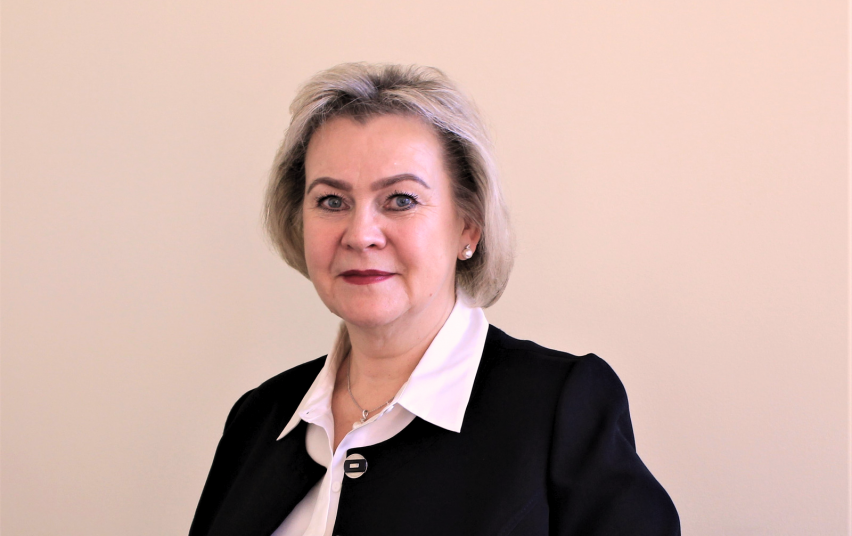
At the meeting of Community Health Council of Šiauliai City Municipality, a representative of the health insurance funds discussed the major aspects of prescribing reimbursed medicine for outpatient and inpatient treatment, possible co-payments and rational use of medicine.
During the remote meeting, Dalia Miniauskienė, temporary Head of Šiauliai Territorial Health Insurance Fund (THIF), reminded that reimbursed medicine and medical aids may be prescribed for patients, covered by the compulsory health insurance, that are recovering at home. This medicine and medical aids may be prescribed by general physicians or expert doctors that work at medical institutions that have an agreement with the THIF.
‘Hospitalised patients must be ensured all treatment, medicine and medical aids by the hospital.’ said the representative of the Šiauliai THIF. She explained that patients in hospital may be offered more expensive medicine, but then the patient would only need to cover the price difference between the reimbursed and the more expensive medicine.
It’s important to note that not all medical aids and medicine are reimbursed from the CHIF budget, but only those that are included into the lists, approved by the Minister of Health: (A) List of diseases and reimbursed medicine to treat them, (B) List of reimbursed medicine, and (C) List of reimbursed medical aids.
The A list includes medicine for various diseases, such as cancer, tuberculosis, diabetes, asthma, epilepsy, schizophrenia, multiple sclerosis, blood clotting and multiple other disorders. This medicine may be prescribed to the insurance-covered patients with diseases, specified in the list. All basic prices of the medicine, included into the list, are reimbursed 100 per cent.
The list B contains medicine for persons in certain social groups (e.g. children, seniors, people with disabilities, etc.), whose possibilities to purchase certain medicine are lower than other insured persons. The listed medicine for children and people with disabilities is reimbursed at 100 per cent of the basic price, while the medicine for pensioners and the disabled with 30-40 per cent working capacity – at 50 per cent.
The medicine in the list C may be prescribed to all persons, covered by the insurance, based on the conditions of prescription, indicated in the list. The need for the medical aids is decided by the GP, but prescriptions for the aids already used can also be issued by a nurse. The majority of the prescribed medical aids can also be prescribed by general practitioners, community nurses and nurses, specialising in diabetes.
Miniauskienė drew the attention of the meeting that the THIF reimburses 100 or 50 per cent of the basic price of the medicine, while all pharmacies sell medicines at their retail price, thus co-payments for reimbursed medicine at different pharmacies could be different.
The THIF representative also reminded that all residents 75 years old and older, also people with disabilities and pensioners with income below 267 Eur per month, do not need to make any co-payments for reimbursed medicine and medical aids. The co-payments for all patients in the above-mentioned categories are covered by the THIF, so the residents coming for reimbursed medicine based on electronic prescriptions, do not need to make any additional payments.
The meeting also covered the topic of reasonable consumption of medicine. The THIF representative explained that a rational use of medicine is possible only, when patients are prescribed medicine based on their clinical condition, picking the most suitable dose and a proper length of treatment for the lowest cost both to the patient and the society.
Unfortunately, according to the World Health Organisation (WHO), in more than half of the cases, medicine is prescribed or issued improperly and nearly half of all patients do not take their medicine as needed. Such irrational use of medicine is not only harmful to patients, but also a waste of funds. Many countries do not have a rational policy for the use of medicine and thus WHO recommends to promote rational use of medicine, for example, by founding regional expert committees.
This recommendation was taken into account several years ago as Šiauliai THIF territorial division established the first expert committee in Lithuania. The strategic purpose of this committee is to rationalise the use of reimbursed medicine by analysing consumption of reimbursed medicine, offering recommendations to pharmacies, medical facilities and raising the competence of physicians in different fields. The committee of medicine examined the prescription and use of reimbursed antibiotics, sedatives, medication for arterial hypertension and antithrombotic medicine in the area of Šiauliai THIF territorial division. The expert committee established a number of cases, when this type of medicine was prescribed and consumed irrationally.
(Šiauliai THIF photo)
Information of Šiauliai Territorial Health Insurance Fund
The NHIF invites you:
- Read the most important news on Facebook: https://goo.gl/ML8SqJ
- See recent pictures on Instagram: https://goo.gl/tXvpXr
- Watch comprehensive and funny videos on Youtube: https://goo.gl/BPBep2
- Follow exclusive infographics and more in Flickr: https://goo.gl/Hsyhq4
Your questions are welcome by email[email protected]or phone: local (8 5) 232 2222, international +370 5 232 2222