

The health insurance funds told which incontinence products may be received for free
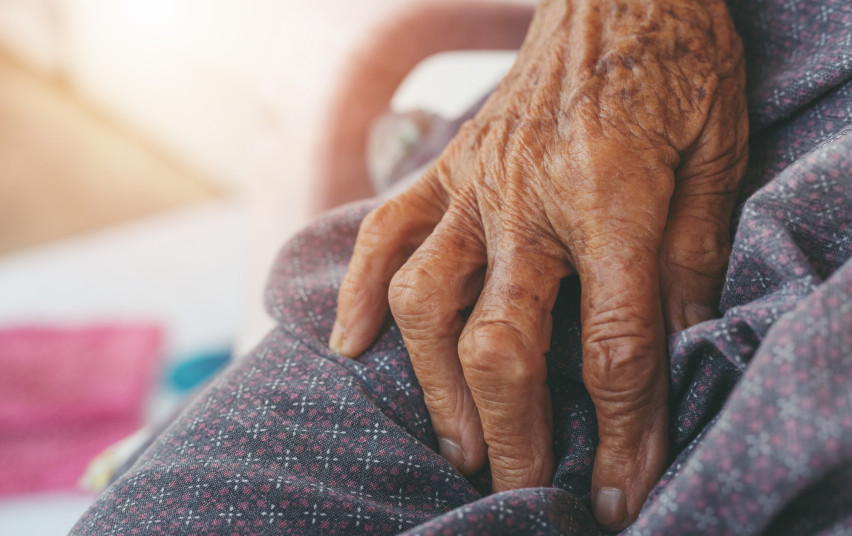
While marking World Continence Week on 19-25 of June, the health insurance funds invite all the patients with urinary or faecal incontinence to be more courageous in seeking medical help, and reminds what products and in what cases are reimbursed from the funds of Compulsory Health Insurance.
It is estimated that there are about 300,000 people in Lithuania with urinary incontinence, i.e. one in four women and one in ten men. However, only a small part of people with this problem dares to share it with their family, tell their doctor and ask for help. Even fewer people seek medical attention for faecal incontinence. Many people feel ashamed to talk about it, so they tend to try to hide or ignore the problem, leaving the situation unresolved. Although it is true that urinary or faecal incontinence can often be reduced, the symptoms can be significantly alleviated, and sometimes it can even be cured. Finally, without hiding an intimate problem, it is possible to get medical aids (MA) reimbursed by the Compulsory Health Insurance Fund (CHIF) for better quality of daily life.
“You should first visit your family doctor for compensated pads and diapers. After assessing risk factors and the degree of urinary or faecal incontinence, he will diagnose the disorder and may issue a prescription for reimbursable means. If a more comprehensive examination is needed, a family doctor may refer the patient to a gynaecologist or urologist to confirm the diagnosis”, says Irma Medžiaušaitė, Adviser to the Pharmaceuticals Reimbursement Division of the National Health Insurance Fund (NHIF) under the Ministry of Health.
The first prescription for reimbursed diapers, pads or disposable sheets is issued by a doctor, because he diagnoses a patient’s disease, which leads to the prescription of compensated means. Later on, these prescriptions may be issued by nurses. Nurses who visit disabled patients at home could also issue prescriptions for reimbursable MA.
According to the data of the NHIF, 289,000 prescriptions for diapers, pads and disposable sheets were issued last year for incontinence reasons. This is 15% more than in 2021.
According to the calculation of the NHIF, 77,000 patients used reimbursable products for urinary and faecal incontinence in Lithuania last year. This is 10,500 more people than the previous year. These products alone required EUR 13,6 million from CHI funds. This is EUR 2,6 million more than in 2021.
EUR 7,6 million additionally was allocated last year from the state budget to cover the premiums for incontinence products for almost 60,000 patients. This means that the premiums for necessary MA were covered to 77 pct. of the patients using reimbursable products for incontinence.
(Freepik photo)
The NHIF invites you:
- Read the most important news on Facebook: https://goo.gl/ML8SqJ
- See recent pictures on Instagram: https://goo.gl/tXvpXr
- Watch comprehensive and funny videos on Youtube: https://goo.gl/BPBep2
- Follow exclusive infographics and more in Flickr: https://goo.gl/Hsyhq4
- Follow us on LinkedIn: https://tinyurl.com/2sxfh66j
- Your questions are welcome by email [email protected] or phone +370 5 232 2222