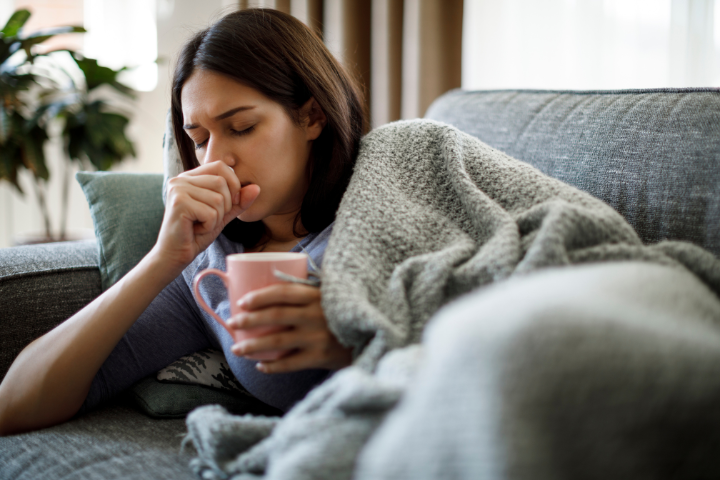
Study reveals: a family doctor’s advice determines the decision to get checked
In Lithuania, public participation in disease prevention programs remains insufficient – many people avoid regular health check-ups. A survey commissioned by the National Health Insurance Fund (NHIF) revealed the main reasons behind this behavior and highlighted what could encourage people to take a more proactive, preventive approach to their health.
Oncological and cardiovascular disease prevention programs are widely available in Lithuania, yet only a portion of the population actively uses them. A survey conducted by the market research and public opinion polling company Spinter Tyrimai shows that 36% of the country’s residents regularly check their health through preventive programs, the same proportion do so only occasionally, and 13% are aware of the programs but do not participate.
Among those not participating in prevention programs - despite being aware of them - or those checking only occasionally, 37% report feeling no need to “look for diseases” if they feel well. Another 31% mention lack of time, 20% - lack of motivation or incentive, and 16% avoid check-ups due to fear of receiving negative results.
“The common belief that check-ups are only necessary when symptoms appear is incorrect – at the early stages of a disease, a person usually feels no signs. That is why it is very important not to postpone and to take advantage of the opportunity to get checked even when feeling well. Regular screenings not only reduce the risk of complicated treatment if it becomes necessary but also help maintain a good quality of life. Prevention begins with a responsible decision to care for your health today,” says Jurgita Grigarienė, Advisor at the Service Reimbursement Division of the National Health Insurance Fund (NHIF).
However, the study reveals clear factors that could encourage greater public participation. The strongest influence is a recommendation or a reminder from a family doctor – 57% of respondents who do not participate in programs or do so irregularly indicated this. Personal invitations to get checked (41%) and encouragement from relatives (18%) are also important. Experiences of family members – such as illness (12%) or loss due to a disease (10%) – also serve as significant motivators.
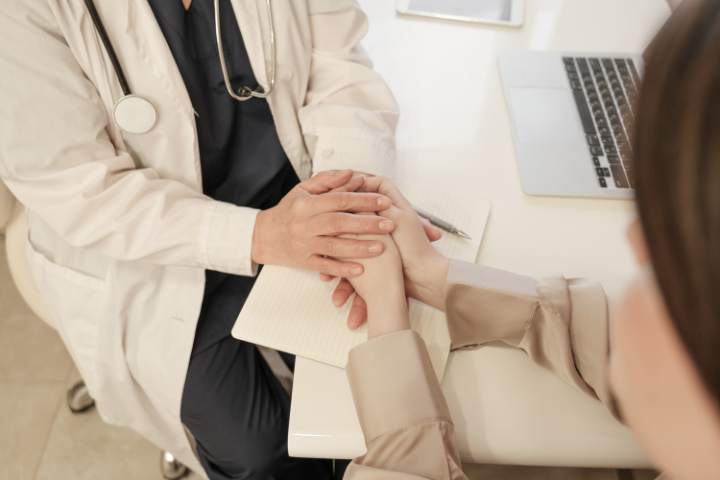
“This study confirms that when it comes to prevention, the most important person next to the patient is a family doctor. It is their recommendation or even a simple reminder that often provides the push people need to take care of their health. While other measures also have an impact, the family doctor’s guidance remains the most reliable and effective. This shows that a strong, trust-based relationship between a doctor and a patient is one of the key factors encouraging timely check-ups and participation in preventive programs,” says J. Grigarienė.
Residents also identified conditions that would help them feel more at ease during preventive screenings. Nearly half of respondents (48%) emphasized the importance of clear and simple explanations of the tests and possible results. Forty-five percent said they are reassured by knowing the benefits of early diagnosis—the ability to prevent disease or treat it more easily. Practical aspects are also important: short waiting times for test results (31%) and support and reassurance provided by medical staff, especially the family doctor or his/her team (24%).
Currently, five disease prevention programs are being implemented in Lithuania, with their costs covered by the Health Insurance Fund through the Compulsory Health Insurance Fund. Under these programs, residents insured under compulsory health insurance can have free check-ups at specified intervals for cervical, breast, prostate, and colorectal cancer, as well as for cardiovascular diseases.
To get a check-up, residents must contact the healthcare facility where they are registered. People may also receive an invitation from the Coordination Centre, which encourages participation in disease prevention programs.
The NHIF invites you:
- Read the most important news on Facebook: https://goo.gl/ML8SqJ
- See recent pictures on Instagram: https://goo.gl/tXvpXr
- Watch videos on Youtube: https://goo.gl/BPBep2
- Follow exclusive infographics and more in Flickr: https://goo.gl/Hsyhq4
- Follow us on LinkedIn: https://tinyurl.com/2sxfh66j
- Your questions are welcome by email [email protected] or phone +370 5 232 2222/public/canonical/1775195118/14094/Ill%20woman%20coughing%20Getty%20Images.png