

Rental of oxygen equipment for patients with sleep apnoea is to be reimbursed
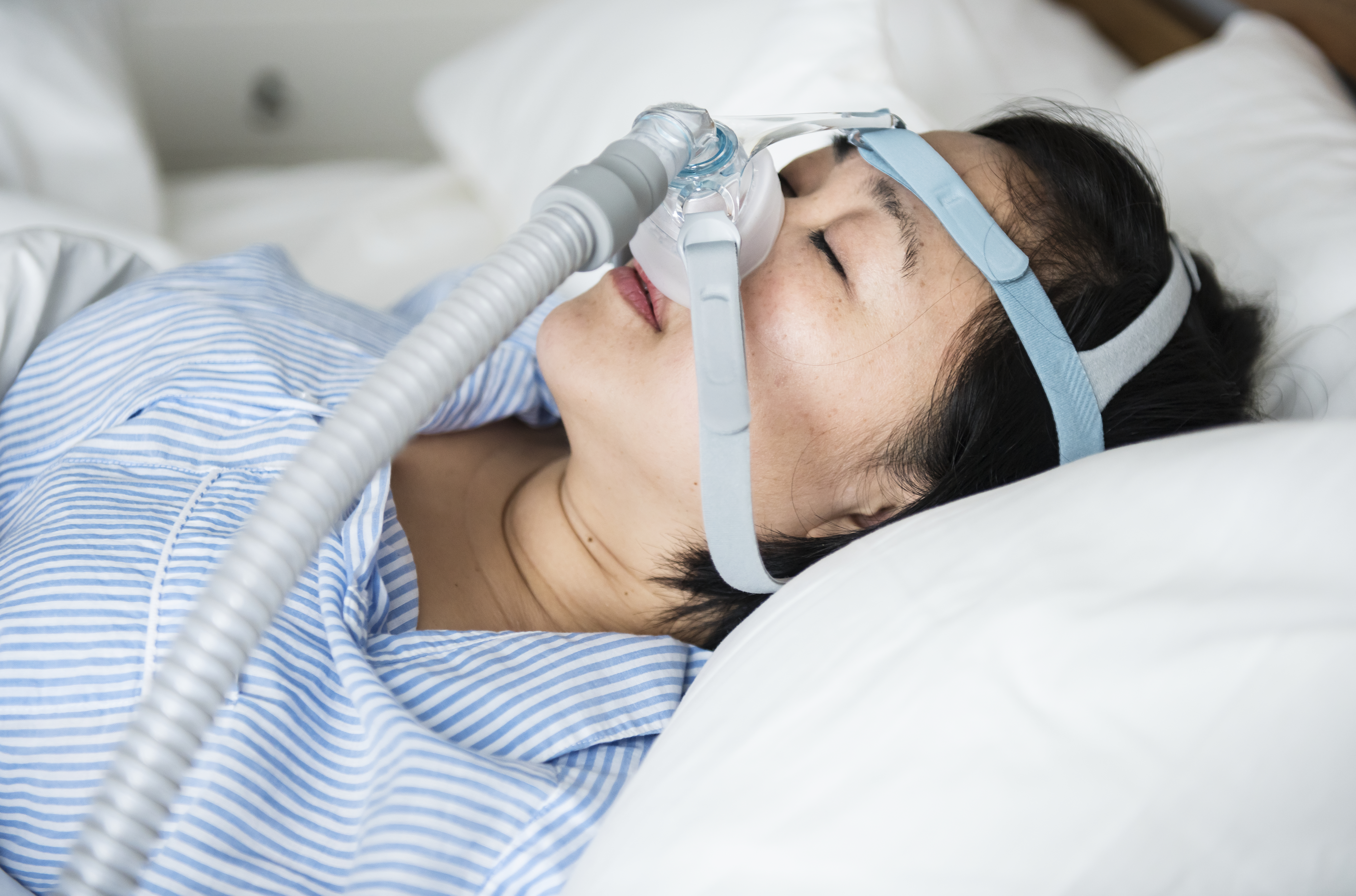
Patients with obstructive sleep apnoea will now have easier access to one of the most effective treatments for this condition – continuous positive airway pressure (CPAP) oxygen devices. According to specialists at the National Health Insurance Fund (NHIF), this decision will reduce the financial burden on patients and help prevent the serious consequences of untreated disease.
Following the Minister of Health’s signing of an order as of 24 July this year, these devices have been included in the list of medical aids available for rental reimbursed from the Compulsory Health Insurance Fund.
Obstructive sleep apnoea is one of the most common forms of sleep disorder, in which breathing periodically stops or becomes very shallow during sleep. As a result, a person does not get enough restorative sleep and experiences constant fatigue, daytime sleepiness and difficulty concentrating. Over time, the risk of cardiovascular disease, stroke, diabetes and other health problems increases.
Continuous positive airway pressure (CPAP or autoCPAP) devices will be prescribed to patients whose obstructive sleep apnoea has been confirmed by polysomnography and who have been diagnosed with moderate or severe disease. These devices provide continuous positive airway pressure, keeping the airways open during sleep and allowing the person to breathe normally.
“For many patients, oxygen therapy can significantly improve their quality of life – reducing daytime sleepiness and improving sleep quality, work capacity and overall well-being. Until now, many people had to purchase or rent these devices at their own expense, which meant that treatment was not accessible to everyone. This decision will enable more patients to receive the necessary treatment in a timely manner and avoid complications associated with the disease,” says Giedrius Baranauskas, Head of the Medical Devices Reimbursement Division at the National Health Insurance Fund.
According to the Lithuanian Society of Pulmonologists and Allergologists and the Lithuanian Society of Pulmonologists, there may be around 600 new cases of moderate and severe obstructive sleep apnoea in Lithuania each year in which patients require treatment with these devices.
It is envisaged that the appropriateness of prescribing such devices will be assessed by a medical council of doctors at a secondary or tertiary-level healthcare facility, including at least one pulmonologist or neurologist. The devices may be prescribed only by healthcare facilities that have the capacity to perform polysomnography and confirm the diagnosis during the examination.
According to calculations by the National Health Insurance Fund, the basic monthly rental price of one device for the treatment of sleep apnoea will be more than EUR 54, while the Fund’s annual expenditure is expected to amount to approximately EUR 391,000.
The NHIF invites you:
- Read the most important news on Facebook: https://goo.gl/ML8SqJ
- See recent pictures on Instagram: https://goo.gl/tXvpXr
- Watch videos on Youtube: https://goo.gl/BPBep2
- Follow exclusive infographics and more in Flickr: https://goo.gl/Hsyhq4
- Follow us on LinkedIn: https://tinyurl.com/2sxfh66j
- Your questions are welcome by email [email protected] or phone +370 5 232 2222