

Reminder of reimbursed medical aids for wound care and prevention
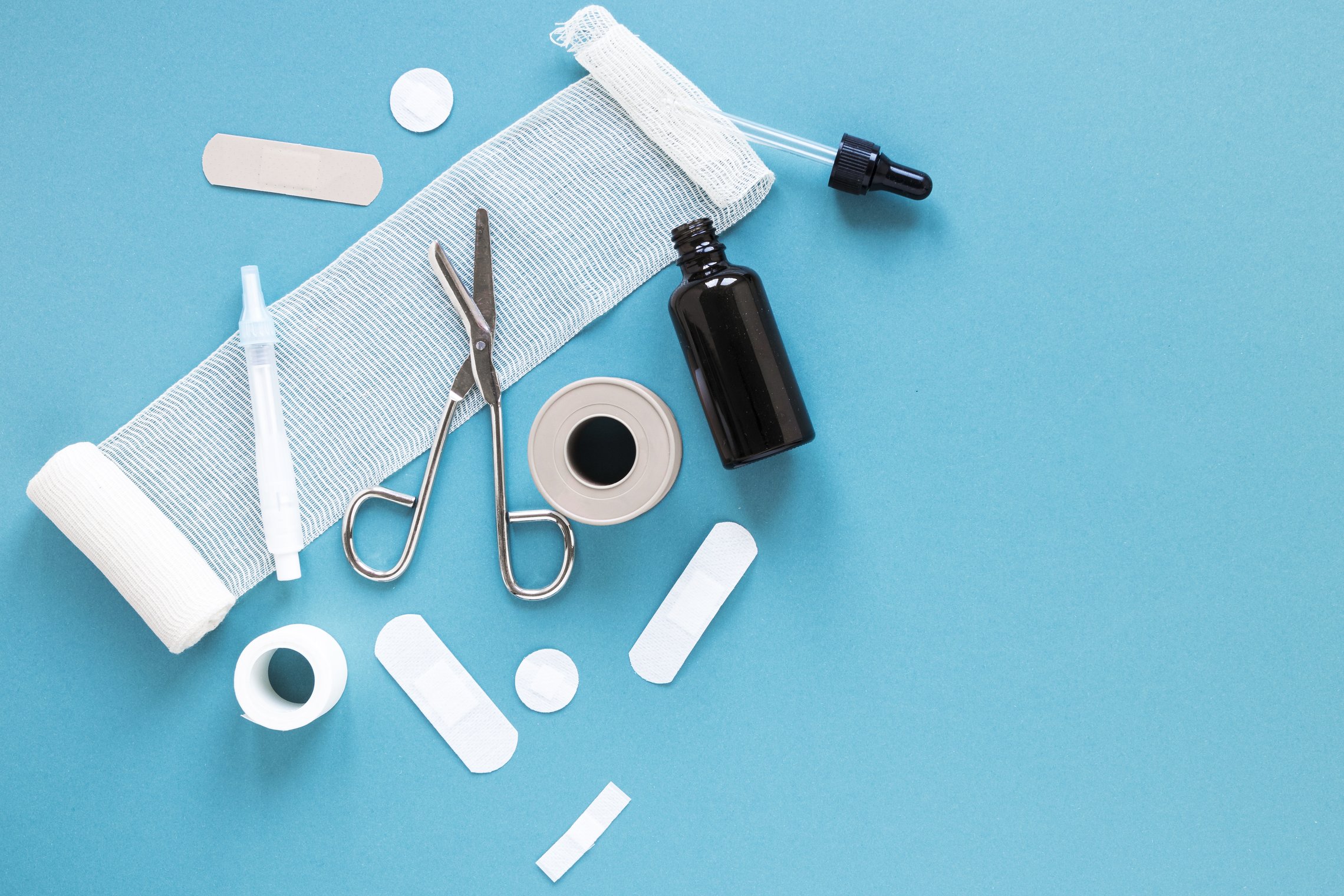
In the case of wounds from cancer treatment, trophic ulcers, bedsores, stomas and other similar conditions, people need certain medical aids to care for and treat the skin or wounds. The National Health Insurance Fund (NHIF) reminds that these products can be reimbursed.
Under a doctor’s referral, for the treatment and care of certain slow-healing wounds, the Compulsory Health Insurance Fund (CHIF) may reimburse 100% of the cost of dressings, hydrogel and other therapeutic (gel or non-gel absorbent, with or without a silicone layer or other composition) products for the treatment and care of wounds that heal slowly and for the skin of the stoma, to help speed up the healing process or to prevent possible complications.
Dressings and hydrogel
For the treatment of trophic ulcers up to 5 mm deep, for example, due to circulatory disorders, diabetes, venous insufficiency or other causes, ulcers after radiotherapy (for malignant tumours), bedsores, as well as for bullous epidermolysis bullosa wounds and burns in children, up to 15 units of therapeutic dressings reimbursed by the CHIF may be prescribed and paid for by the NHIF per month for each wound or ulcer from the date of diagnosis.
For wounds deeper than 5 mm, 2 units of 15 grams of hydrogel and 15 units of therapeutic dressings per wound per month may be prescribed for the treatment of wounds that are reimbursed by the health insurance funds.
In all cases, therapeutic dressings can be prescribed for up to 1 month at a time.
If patients cannot receive therapeutic dressings, up to 3 kg of cellulose and 5 metres of gauze, or up to 20 gauze dressings and 5 rolls of plasters per month per wound, are prescribed. These MAs are also covered by the CHIF.
Stoma and stoma skin care products
A formed stoma can cause various skin lesions and irritations. To prevent them, the CHIF reimburses 100% of the cost of stoma and stoma skin care products. In the case of an artificial anus, colostomy, enterostoma, urostoma or intestinal fistula and a stoma, a prescribed amount of hydrocolloid paste, hydrocolloid rings, cleansing foam, medical adhesive cleaner, cleansing wipes, protective wipes and powders, protective skin spray, stoma binder (pellets), etc. may be prescribed.
Prescribed first by a doctor, then by a nurse
In any case, the need for these medical aids (MA) is decided by the doctor treating the patient, taking into account the size of the open wound, the state of healing of the wound, complications, and other circumstances. This must be detailed in the medical records when prescribing the MA to the patient.
Therefore, it is up to the family doctor or a specialist to prescribe the necessary reimbursable MAs for the first time. Subsequently, a general nurse, community nurse or diabetes nurse practitioner can write the prescription and continue prescribing the MAs prescribed by the doctor, as appropriate.
Who does not need to pay for the aids?
The CHIF funding for MA reimbursement has been steadily increasing every year, with EUR 39 million allocated for the cost of MAs in 2022, including the patient premium, up from almost EUR 49 million last year.
For the fourth year in a row, the most vulnerable groups - patients aged 75 and over, low-income people with disabilities, and pensioners - have access not only to reimbursed medicines but also to MAs without having to pay a patient premium.
According to the data of the Health Insurance Funds, in 2023, about 211,000 patients purchased reimbursable MAs, and more than half of them - 108,000 - received the necessary aids free of charge last year.
(Freepik photo)
The NHIF invites you:
- Read the most important news on Facebook: https://goo.gl/ML8SqJ
- See recent pictures on Instagram: https://goo.gl/tXvpXr
- Watch videos on Youtube: https://goo.gl/BPBep2
- Follow exclusive infographics and more in Flickr: https://goo.gl/Hsyhq4
- Follow us on LinkedIn: https://tinyurl.com/2sxfh66j
- Your questions are welcome by email [email protected] or phone +370 5 232 2222