

Reimbursement costs for oncology drugs exceed 200 million
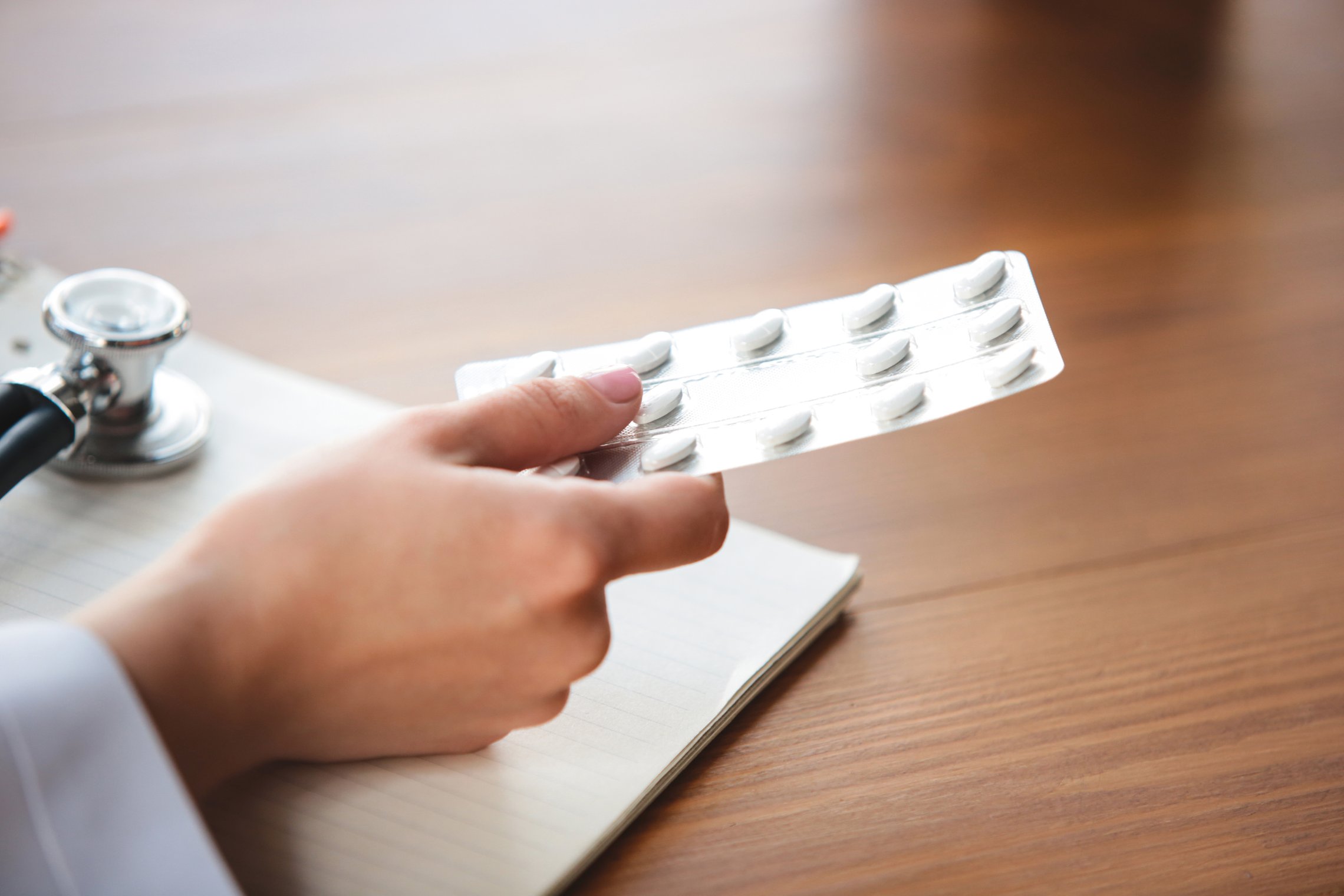
According to an analysis carried out by the National Health Insurance Fund (NHIF) under the Ministry of Health, over the last eight years, costs of the Compulsory Health Insurance Fund (CHIF) for the reimbursement of anti-tumour medications to Lithuanians have increased by 3.3 times.
“EUR 64 million from the Compulsory Health Insurance Fund was needed to reimburse anti-tumour medications in 2016. Funding for oncology drugs has increased by around 20% each year, more than tripling to EUR 212 million in 2023. A further EUR 310,000 was allocated from the state budget to cover surcharges for patients who have purchased anti-tumour medications. No other group of medications has experienced such rapid growth over the years as this,” Evaldas Stropus, the head of Pharmaceuticals Reimbursement Division, has noticed.
Oncology drugs accounted for 40% of the total cost of the Compulsory Health Insurance Fund on reimbursable medicines last year. Compare: the second largest group, cardiological medications, accounted for EUR 72 million last year. They were reimbursed to 863,000 patients.
There is no doubt that this significant jump is due not only to the significant increase in the number of oncological patients between 2016 and 2023, but also to the introduction of a number of new, very expensive anti-tumour medications into the reimbursement system.
“Eight years ago, the list of reimbursable medicines included 85 oncology drugs, while last year, 137 different anti-tumour medications were reimbursed from the health insurance funds,” E. Stropus says.
According to the data of the NHIF analysis, the largest amount of the Compulsory Health Insurance Fund – EUR 33 million – was spent on the treatment of respiratory diseases – bronchial and pulmonary malignancies – with reimbursable medicines last year. Another EUR 31 million was spent to reimburse medicines to treat various blood cancers last year, almost EUR 25 million to reimburse medicines to treat malignant melanoma and other skin tumours, and close to EUR 27 million to reimburse medicines for breast cancer. Almost EUR 18 million has also been earmarked to reimburse medicines for kidney cancer patients and around EUR 11 million for medicines to treat male genital tumours.
The analysis carried out by the specialists of the NHIF also revealed that in 2023, almost 48 thousand people in Lithuania were taking reimbursable anti-tumour medications, i.e. 14 thousand more patients than in 2016. Around 21 000 people purchased reimbursable anti-tumour medications without paying patient surcharges. This shows that oncology diagnostics have improved significantly in recent years, and the inclusion of expensive innovative anti-tumour medications in the reimbursement system may have contributed to longer survival of cancer patients.
(Piktochart photo)
The NHIF invites you:
- Read the most important news on Facebook: https://goo.gl/ML8SqJ
- See recent pictures on Instagram: https://goo.gl/tXvpXr
- Watch videos on Youtube: https://goo.gl/BPBep2
- Follow exclusive infographics and more in Flickr: https://goo.gl/Hsyhq4
- Follow us on LinkedIn: https://tinyurl.com/2sxfh66j
- Your questions are welcome by email [email protected] or phone +370 5 232 2222