

From rehabilitation in Poland to proton therapy in Denmark: where Lithuanians go for treatment
Residents covered by compulsory health insurance can receive planned medical services not only in Lithuania, but also in other European countries. In one case, you can independently choose a healthcare institution abroad, pay for the services, and apply to the health insurance fund for reimbursement of expenses; in another case, treatment abroad is organized by a Lithuanian healthcare institution.
The first option – cross-border healthcare
Patients who have a referral from a doctor for planned outpatient, inpatient, rehabilitation, or other healthcare services can choose to receive them at healthcare institutions in other European Union countries, Iceland, Liechtenstein, or Norway, both public and private. In such cases, residents pay for the medical services provided and, upon returning to Lithuania, may apply to the National Health Insurance Fund (NHIF) for reimbursement of treatment costs within one year.
Services provided abroad are reimbursed according to the prices of the corresponding healthcare services in Lithuania, so if treatment abroad costs more, the Compulsory Health Insurance Fund will cover part of the costs for the patient. “Before deciding to seek treatment abroad, it is important to find out the prices of services at the chosen foreign healthcare institution and contact the health insurance fund to find out whether the costs of those services can be reimbursed and to what extent,” advises Lina Noreikienė, Head of the Cross-Border Healthcare Division at the NHIF. It is important to note that surcharges paid by the patient at a foreign healthcare institution, travel, accommodation, meals, social services, and similar costs are not reimbursed.
When applying for compensation, you must submit an application to the health insurance fund, along with proof of identity, medical documents confirming the healthcare services provided, and documents confirming the costs incurred.
According to a representative of the NHIF, trends in patients’ use of cross-border healthcare services have remained similar for several years. Residents most often choose neighbouring countries and travel there each year for the same or similar types of services.
Last year, 262 applications for reimbursement of cross-border healthcare costs were received (230 in 2024). The most common reimbursements were for medical rehabilitation services in Poland, Slovakia, Latvia, Malta, and Germany, as well as for inpatient and outpatient treatment and medicines purchased in various European countries.
Approximately EUR 405,000 was paid out to insured persons from the fund, i.e. 26% more than in the previous year (EUR 322,000 in 2024). The largest amount reimbursed was EUR 21,600.
The second option – planned treatment in Europe
In certain cases, university hospitals refer patients for consultation, examination, or treatment to another European Union country, Iceland, Norway, Liechtenstein, the United Kingdom, or Switzerland. This happens when Lithuania has exhausted all possibilities of applying methods that are as effective as those used abroad, or when it is not possible to provide timely services in Lithuania due to a person’s health condition or the course of their illness.
In such circumstances, the attending physician refers the patient to a university hospital, where a panel of doctors assesses the appropriateness of treatment abroad. If the decision is positive, the hospital finds a treatment facility abroad, asks if the services the patient needs are covered by that country’s health insurance, sets up the treatment schedule, gets the paperwork ready, and asks the health insurance fund for an S2 document (permission to get reimbursed for planned services abroad).
According to this document, services are provided only in healthcare institutions belonging to the national health system of that country. The costs of planned services provided to a Lithuanian patient are paid to the healthcare institution by the foreign country’s social health insurance institution or other designated institution, and the
Lithuanian Health Insurance Fund subsequently settles the account with this institution. The patient must pay the surcharges applicable in that country, as well as the costs of paid medical services, travel, accommodation, transportation, and translation services.
“Over the past few years, the number of such cases of treatment abroad and the countries to which insured persons are sent have remained similar. These are usually complex and rare procedures that cannot be performed in Lithuania at the time. In such cases, the best solution for patients is sought in other countries,” says L. Noreikienė.
Last year, the NHIF issued 38 S2 documents, which enabled Lithuanian citizens to receive treatment abroad. Most of them – 16 – were issued for patients sent to Switzerland for treatment. Usually, children suffering from rare oncological eye diseases are sent to this country for treatment. Five S2 documents were issued last year for services related to liver transplantation in Poland, four for proton therapy in Denmark, and four for the treatment of twin-to-twin transfusion syndrome in Sweden.
In total, the fund paid out nearly EUR 600,000 last year for services provided to insured persons in other European countries on the basis of the S2 document.
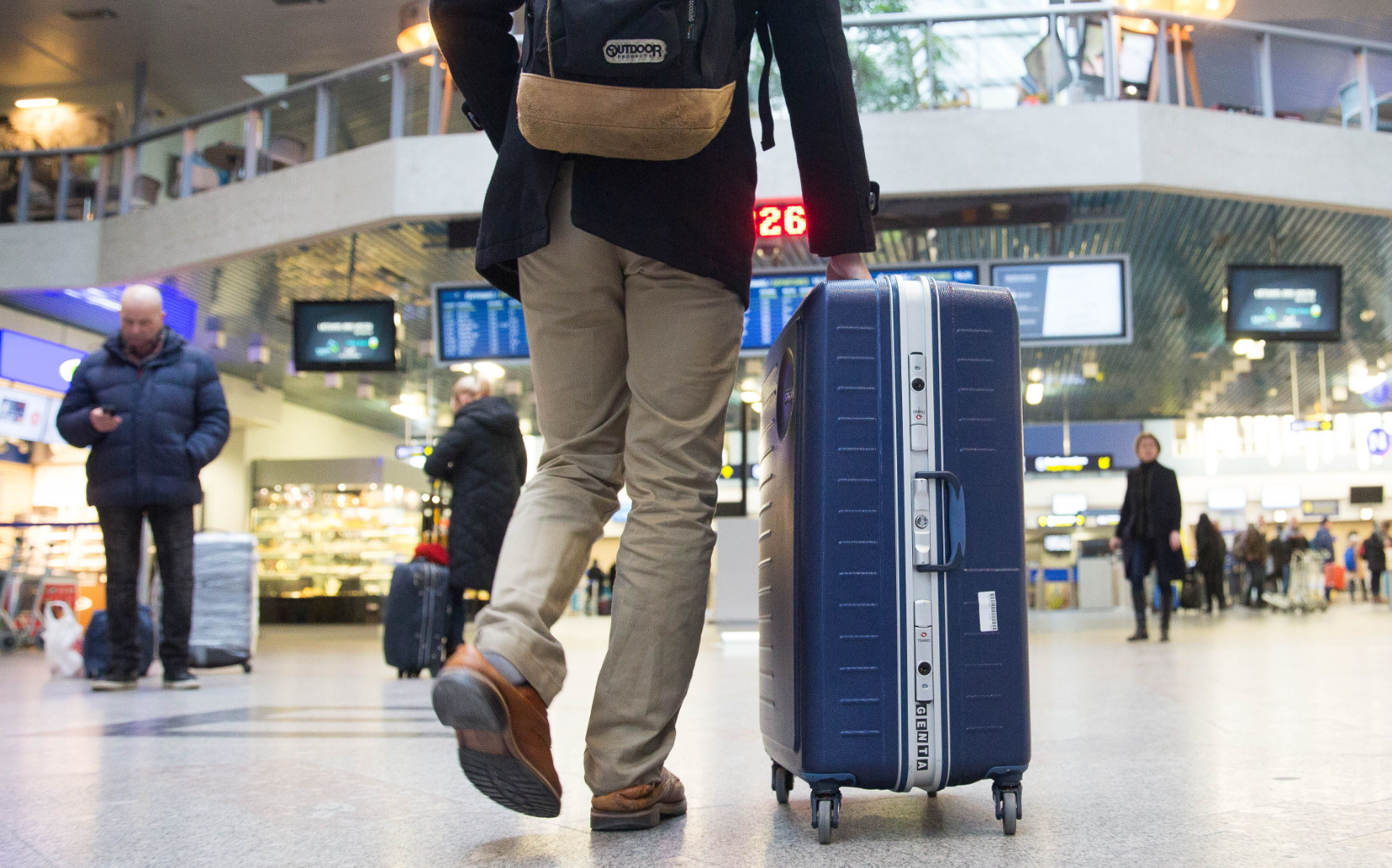
(Photo BNS)
The NHIF invites you:
- Read the most important news on Facebook: https://goo.gl/ML8SqJ
- See recent pictures on Instagram: https://goo.gl/tXvpXr
- Watch videos on Youtube: https://goo.gl/BPBep2
- Follow exclusive infographics and more in Flickr: https://goo.gl/Hsyhq4
- Follow us on LinkedIn: https://tinyurl.com/2sxfh66j
- Your questions are welcome by email [email protected] or phone +370 5 232 2222