

Every vaccine is important: the HPV vaccine can save lives
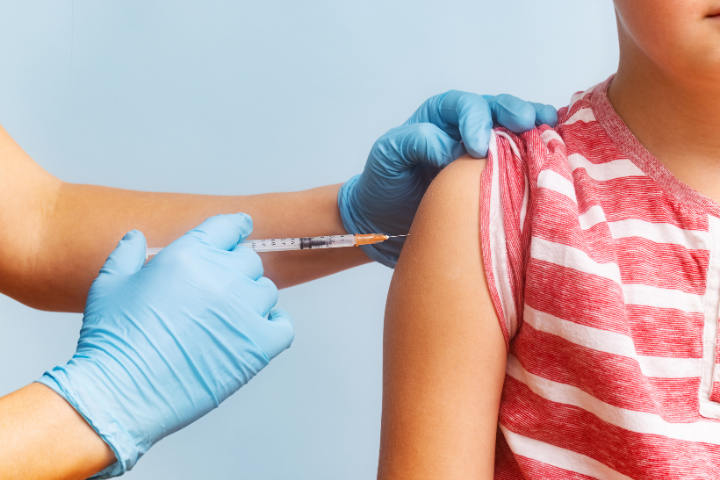
On the occasion of International Human Papillomavirus (HPV) Awareness Day, the National Health Insurance Fund reminds that today we have all the means to protect children from a virus that can cause oncological diseases. The HPV vaccine in Lithuania is free and available to all children who have reached 11 years of age – both girls and boys – but vaccination coverage is still insufficient to achieve population-wide protection.
According to the data of the National Health Insurance Fund (NHIF), in 2025 more than 17,400 girls aged 11–12 and over 16,700 boys received at least one dose of the HPV vaccine. In total, nearly 47,000 vaccine doses were delivered to healthcare institutions last year, with a value exceeding 2.5 million euros. Vaccines are purchased using the Compulsory Health Insurance Fund and centrally distributed to healthcare institutions across the country.
“HPV vaccination is a scientifically proven and long-term investment in children’s health. By vaccinating both girls and boys, we not only protect them from potentially serious diseases in the future, but also reduce the spread of the virus in society. The higher the vaccination coverage, the closer we are to the goal of preventing cervical cancer and other HPV-related cancers,” says Agnė Grušeckienė, Adviser at the Centrally Procured Pharmaceuticals Division of the NHIF.
HPV is the most common sexually transmitted infection worldwide. Currently, more than 200 types of the virus are known, some of which carry a high risk of cancer. Scientific studies show that about 99% of cervical cancer cases are linked to HPV infection. The virus can also cause vaginal, vulvar, anal, penile, oral, or throat cancers. Infection often spreads without any symptoms, so a person may not even know that he is a carrier of the virus.
According to the World Health Organization, Lithuania remains among the European Union (EU) countries with some of the highest cervical cancer incidence rates. Each year, around 400 new cases are diagnosed in Lithuania, and more than 200 women die from the disease. This is twice the EU average. Experts agree that increasing vaccination coverage could fundamentally change these statistics. It is estimated that vaccinating about 90% of the target population could achieve herd immunity and significantly reduce the prevalence of HPV-related diseases.
In Lithuania, children are vaccinated with the nine-valent HPV vaccine, which protects against nine of the most common virus types that cause cancer and other serious diseases. According to the Children’s Preventive Vaccination Schedule, 11-year-old children receive two vaccine doses with an interval of at least six months. At a younger age, the body develops a stronger and longer-lasting immune response, so vaccination is recommended before the start of sexual activity.
According to Agnė Grušeckienė, it is important that parents make vaccination decisions based on reliable, scientifically proven information. “Doubts usually arise from misconceptions and myths circulating in society. We urge parents not to hesitate but to consult their family doctor, who can provide detailed information about the vaccine’s safety, effectiveness, and possible side effects. Decisions made today can have a decisive impact on children’s health decades from now. Free vaccination provides an opportunity to protect the younger generation from diseases that, in many cases, can be prevented,” she emphasizes.
The NHIF invites you:
- Read the most important news on Facebook: https://goo.gl/ML8SqJ
- See recent pictures on Instagram: https://goo.gl/tXvpXr
- Watch videos on Youtube: https://goo.gl/BPBep2
- Follow exclusive infographics and more in Flickr: https://goo.gl/Hsyhq4
- Follow us on LinkedIn: https://tinyurl.com/2sxfh66j
- Your questions are welcome by email [email protected] or phone +370 5 232 2222