

Antibiotics – only after examination and finding the cause of a diseases
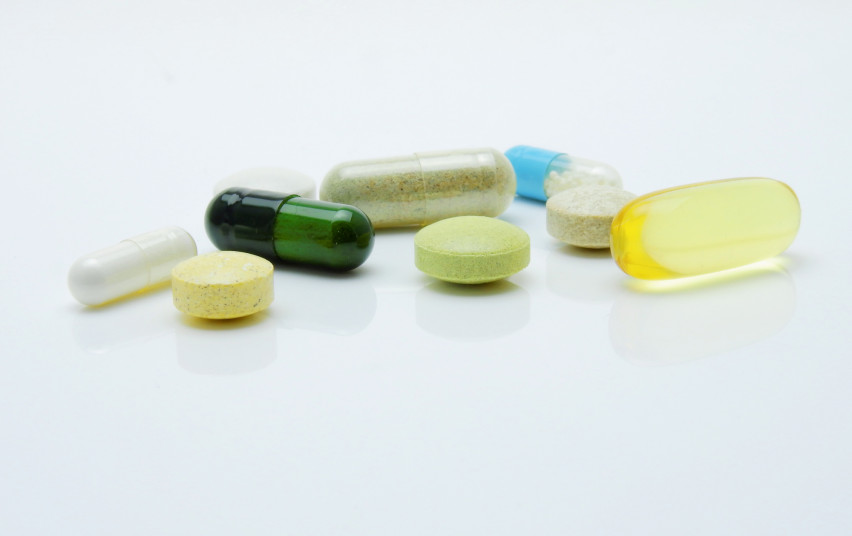
Commemorating the World Antimicrobial Awareness Week, the health insurance funds are kindly reminding that resistance to antimicrobial substances refer to cases, when bacteria change and do not respond to medicine any more. This makes it more difficult to treat common infections, resulting in an increasing number of severe diseases, and the risk of infections and death.
And although the medical community is well aware of the fact that antibiotics work only with bacterial diseases with zero effect on viruses, unfortunately, excessive use of antibiotics is still common. This increases microbial resistance and poses a risk of medicine being ineffective in the future.
Aiming to promote rational use of antibiotics, the Committee of Medicine at Šiauliai territorial health insurance fund (THIF), is conducting a monitoring of the prescription of reimbursed antibacterial drugs for children. A special attention is focused on personal healthcare facilities (PHCF), which prescribe most antibiotics for children. Spreading awareness of the rational use of antibiotics has already helped achieve good results with a recent manyfold drop in prescription of antibiotics for children under one year.
The Committee of Medicine at Šiauliai THIF is conducting a monitoring of the number of prescriptions of antibiotics for children aged 2-7 years old, issued at PHCF in Šiauliai and Telšiai districts, and the number of rapid streptococcal antigen detection tests performed. It should be noted that some facilities have issued hundreds of prescriptions, while only a few children were actually tested for the causative agent of bacterial infection - streptococcus. It was concluded that this test is conducted too rarely, although it is reimbursed by the health insurance funds as an incentive.
The Committee of Medicine at Šiauliai THIF has established that prescribing antibiotics (especially broad-spectrum) to children in their first year of life increases the risk of infection recurrence. Children treated with broad-spectrum antibiotics later in their life, are less resistant to infections and may need hospitalisation more often.
Dalia Ozolienė, Head of the Division of Control and a member of the Committee of Medicine at Šiauliai THIF, urges to be rational in prescribing and using antibacterial medication. ‘Antibiotics should be used very carefully and only, when needed. If possible, it is better to do without it and take care of your body. A doctor prescribing antibiotics should be absolutely sure that this medicine is truly needed. Narrow-spectrum antibiotics are a safer option.’ emphasized the expert.
.png)
Dalia Ozolienė, Head of the Division of Control and a member of the Committee of Medicine at Šiauliai THIF, urges to be very rational in using antibacterial medication. (Šiauliai THIF pict.)
The need for antibiotics and their type can be determined by a C-reactive protein (CRP) test, a rapid streptococcal antigen test and a microbiological test (culture). Thus, doctors should prescribe medicine only upon conducting a testing and establishing the cause of the disease.
Information of Šiauliai Territorial Health Insurance Fund
(Pexels pict.)
The NHIF invites you:
- Read the most important news on Facebook: https://goo.gl/ML8SqJ
- See recent pictures on Instagram: https://goo.gl/tXvpXr
- Watch comprehensive and funny videos on Youtube: https://goo.gl/BPBep2
- Follow exclusive infographics and more in Flickr: https://goo.gl/Hsyhq4
Your questions are welcome by email[email protected]or phone: local (8 5) 232 2222, international +370 5 232 2222