

Antibiotics are being prescribed less and less frequently to children in Lithuania, but challenges remain
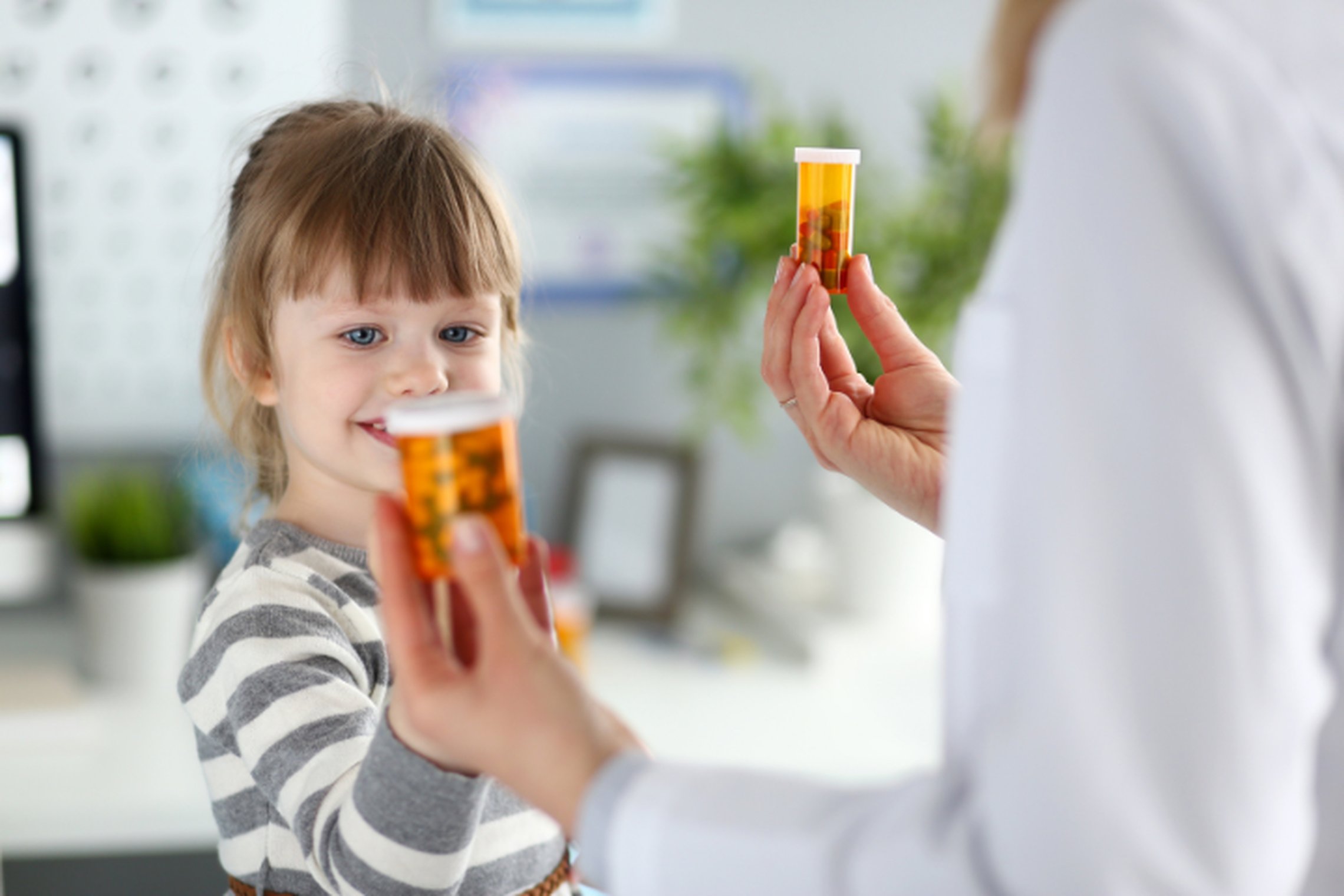
Data from the National Health Insurance Fund (NHIF) show a positive trend – each year, the number of children prescribed antimicrobial medicines in the country is decreasing. Experts emphasize that this change is a good sign, indicating that doctors are increasingly assessing more responsibly whether antibiotics are truly necessary for children, and that patients understand better that these medicines are not a panacea for all illnesses. Nevertheless, the NHIF notes that in order to maintain this progress, it is important to continue strengthening education on the rational prescribing and use of antibiotics, especially in regions where usage rates remain higher than the national average.
Monitoring of reimbursed medicines by the Health Insurance Fund has revealed that in recent years fewer and fewer children have been using antimicrobial medicines. In 2022, nearly 124,000 children used them; in 2023, 111,000; and last year, 98,000. This means that antibiotic use among children has decreased by almost 21% over the past two years. According to the specialists, this change has been driven by improved control over antibiotic prescribing, more responsible use, and targeted education of physicians.
“After the COVID-19 pandemic, there was a marked increase in the number of bacterial infections in Lithuania, which is why more children received treatment with antimicrobial drugs. Currently, a return to balance is being observed – antibiotics are being prescribed to children in a more targeted manner,” notes Lina Škiudaitė, acting head of the Rational Use of Pharmaceuticals Division at the National Health Insurance Fund.
However, Health Insurance Fund data also reveal regional differences – in 14 municipalities, more than a quarter of children are still being treated with antibiotics, and in 26 municipalities, the use of antimicrobial medicines has even increased. This indicates that in some areas of the country there is still a risk of excessive antibiotic prescribing and uneven treatment practices. Therefore, targeted measures remain necessary in certain regions, including doctors’ training, monitoring of rational prescribing, and public education on the proper use of antibiotics.
“The decline in the use of antimicrobial drugs in Lithuania shows that we are moving in the right direction, but we must remain vigilant. It is necessary to continue education, especially in regions where rates remain high. Antibiotics should only be prescribed when they are really needed, because every unjustified prescription of antibiotics is a step towards greater bacterial resistance and more difficult-to-treat infections,” says L. Škiudaitė.
Since last year, antimicrobial drugs have been included in the list of reimbursable medicines A, so doctors can prescribe reimbursable antibiotics to all patients according to their diagnoses. According to L. Škiudaitė, this helps to ensure the availability of treatment, but at the same time requires even greater responsibility for their rational use:
“Antimicrobial medicines are vital for treating bacterial infections, but their misuse is one of the main reasons why bacteria become resistant to treatment.”
In 2023, the European Union has set a target for 2030 to reduce the use of antibiotics in outpatient and inpatient care by 20% compared to 2019 levels. This target is important for all Member States, including Lithuania, as it helps to reduce the spread of resistant bacteria and preserve the effectiveness of these medicines for future generations.
Antibiotics do not treat viral infections such as colds, flu, or most respiratory diseases. However, they are still often prescribed even when their use is not justified, for example, to treat viral infections “prophylactically” or when patients pressure their doctors. Such cases not only do not help recovery, but also increase the risk that antibiotics will become ineffective in the future.
As emphasized by NHIF specialists, responsible use of antibiotics is the responsibility of the whole society. This means that antibiotics can only be used as prescribed by a doctor, the specified dose and duration of treatment must be followed, and unused medicines should not be stored for future use or shared with others.
The NHIF invites you:
- Read the most important news on Facebook: https://goo.gl/ML8SqJ
- See recent pictures on Instagram: https://goo.gl/tXvpXr
- Watch videos on Youtube: https://goo.gl/BPBep2
- Follow exclusive infographics and more in Flickr: https://goo.gl/Hsyhq4
- Follow us on LinkedIn: https://tinyurl.com/2sxfh66j
- Your questions are welcome by email [email protected] or phone +370 5 232 2222