

21,000 diagnoses per year: free screening opportunity is underused
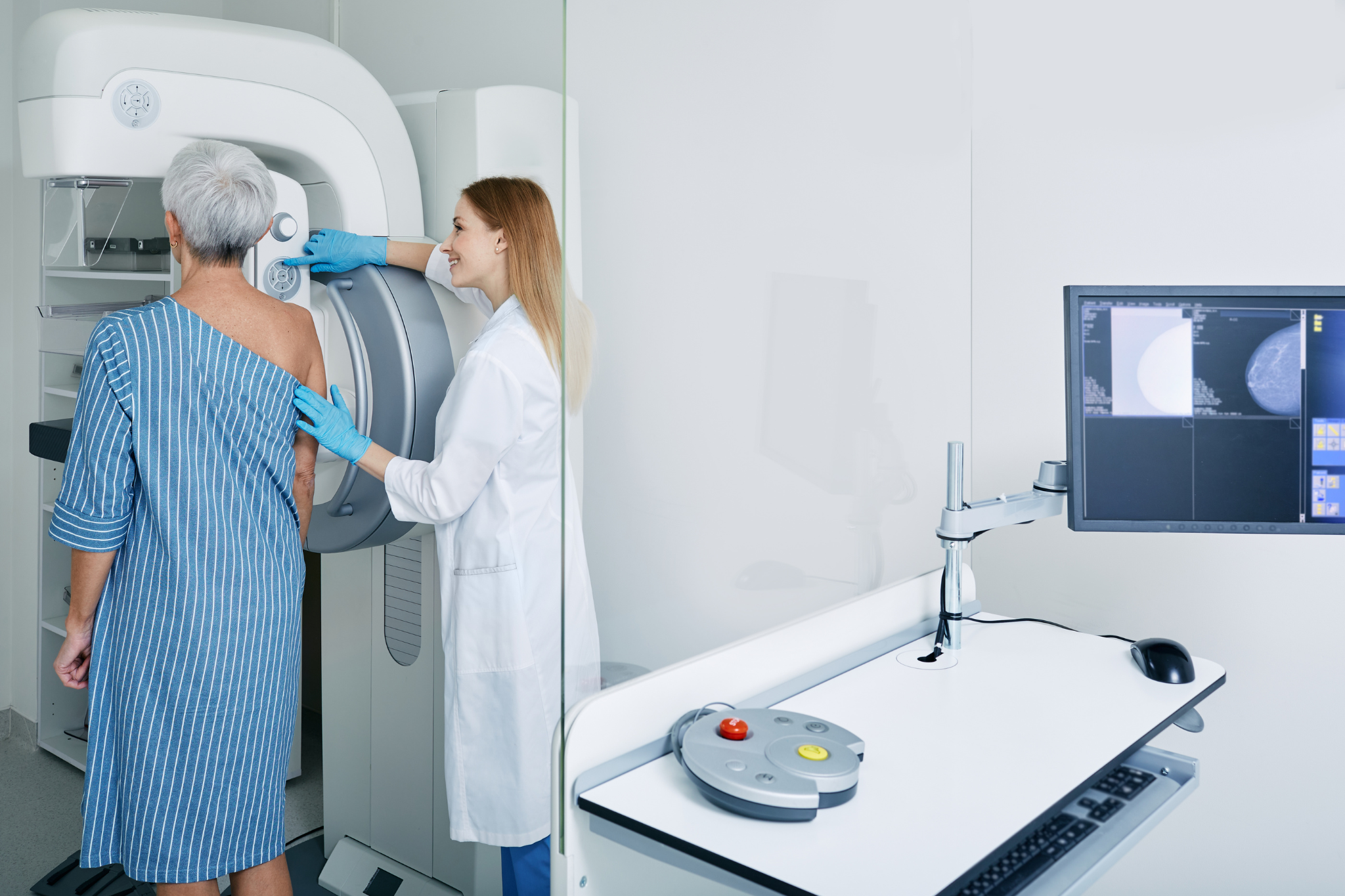
Breast cancer is one of the most common diagnoses among women in Lithuania and around the world. However, if detected early, the disease can be effectively controlled and even completely cured. A reliable way to stay ahead of the disease is to take part in the free breast cancer screening program, which this year has become accessible to a wider group of women.
According to data from the Institute of Hygiene, an increasing number of people in Lithuania are being diagnosed with breast cancer each year: in 2022, there were 19,500 cases; in 2023 – over 20,000; and last year – more than 21,000 women were affected. Mortality rates from breast cancer remain stable, with the disease claiming the lives of more than 500 women annually.
According to the specialists from the National Health Insurance Fund (NHIF), this grim statistic highlights the importance of preventive programs and early diagnosis – when the disease is detected at an early stage, it can be effectively treated, helping to avoid serious consequences.
“Early disease diagnosis is given particular attention, which is why a breast cancer prevention program has been in place in Lithuania since 2005. To improve the statistics and allow even more women to undergo preventive breast cancer screening, age limits for the early diagnosis program were expanded this year,” says Rasa Savičiūtė, Advisor at the Service Reimbursement Division of the NHIF.
Breast cancer prevention program offered free screenings for women aged 50 to 69. However, following the implementation of European Commission recommendations, women aged 45 to 74 (inclusive) are now invited to undergo preventive screenings. As part of the program, women receive a mammogram once every two years, and the results are evaluated.
According to her, previously the breast cancer prevention program offered free screenings for women aged 50 to 69. However, following the implementation of European Commission recommendations, women aged 45 to 74 (inclusive) are now invited to undergo preventive screenings. As part of the program, women receive a mammogram once every two years, and the results are evaluated.
“Although increasing attention is being given to disease prevention in Lithuania each year, participation in the breast cancer prevention program still remains below 50%. We hope that the expanded age range introduced this year will encourage more women to take an active role in caring for their health. It’s estimated that nearly 150,000 more women will now be eligible to participate in the program than earlier,” says R. Savičiūtė.
Women who wish to take part in the breast cancer prevention program should first contact the healthcare facility they are registered with. There, their family doctor will issue a referral for a mammogram. Patients covered by compulsory health insurance will not have to pay for this screening if it is performed at a healthcare institution that has a contract with the Health Insurance Fund.
NHIF specialist emphasizes that although the prevention program has specific age limits, all women concerned about their health can undergo screening: “If a woman notices any changes in her breasts, she should not hesitate to contact her healthcare provider and get checked. If necessary, the family doctor can refer the patient to a specialist for further consultation, and the costs of the examination will be covered by the Compulsory Health Insurance Fund,” she explains.
Currently, there are five disease prevention programs being implemented in Lithuania, all of which are funded by the Compulsory Health Insurance Fund. These programs target the prevention of cervical, breast, prostate, and colorectal cancers, as well as cardiovascular diseases. This year, nearly EUR 70 million has been allocated from the fund to finance these programs — EUR 2.8 million more than last year.
(Getty Images photo)
The NHIF invites you:
- Read the most important news on Facebook: https://goo.gl/ML8SqJ
- See recent pictures on Instagram: https://goo.gl/tXvpXr
- Watch videos on Youtube: https://goo.gl/BPBep2
- Follow exclusive infographics and more in Flickr: https://goo.gl/Hsyhq4
- Follow us on LinkedIn: https://tinyurl.com/2sxfh66j
- Your questions are welcome by email [email protected] or phone +370 5 232 2222